What is a Backyard Ultra?
Every hour, runners start a 4.167 mile loop. Finish inside the hour and you can start the next loop. The event continues until only one runner can complete a final solo loop.
Frequently asked questions
Grouped questions for runners, crews, spectators, and anyone weighing up whether the Bristol Backyard Ultra is their kind of challenge.
Format
The Backyard Ultra format is simple on paper: one loop every hour, for as long as you can keep going.
Every hour, runners start a 4.167 mile loop. Finish inside the hour and you can start the next loop. The event continues until only one runner can complete a final solo loop.
No. There is no fixed marathon, 50km, or 100 mile finish line. Your race ends when you choose not to start the next yard, arrive late, or cannot complete the loop inside the hour.
Your race is recorded as a DNF unless you are the last runner standing. That is part of the format rather than a failure. Everyone eventually stops except the winner.
It can be, if you are comfortable on trails and realistic about the course. Many runners use the format to go further than they have before, but the Bristol route is hilly and technical in places.
Entry and admin
No. Bristol Backyard Ultra 2027 is sold out, and the waiting list has reached capacity and closed. Join Race HQ to hear about future opportunities.
Yes. Detailed race information is sent closer to event day. The current race info page and handbook give you the practical shape of the event now.
Course
The loop is 4.167 miles / 6.7km with around 160m of elevation gain. It is more demanding than a flat backyard course, with climbs, woodland trail, roots, rocks, grass, and concrete path.
No. The course is marked for race day. You can also download the GPX from the race info page if you want to study the route in advance.
Trail shoes are recommended. The best choice depends on conditions, but grip and comfort over repeated loops matter more than pure speed.
No. Support is only allowed at basecamp between loops. Once you leave for a yard, you must complete the course under your own power.
Basecamp
Expect toilets, event parking, a fully stocked aid station, hot and cold water, runner setup space, crew access, and a marked start/finish corral.
No. Vehicles cannot drive into the event village. The car park is approximately 200m from basecamp, so arrive with time to move kit from your vehicle.
No. Bring what you need to stay comfortable, organised, warm, fed, and ready to keep starting new yards.
Blaise Castle Estate has public facilities nearby, and the event aid station supports runners. Bring your own preferred nutrition too, especially if you have specific needs.
Crew and spectators
Yes. Supporters are welcome, and the format makes it easy for them to see runners return to basecamp every hour.
No. A crew can help, but solo runners are welcome. The Crewless Crew area exists to make the event feel supportive even if you arrive on your own.
Yes. Crews can help at basecamp between yards with food, drinks, clothing, shoes, encouragement, and organisation.
Spectators should follow event instructions and avoid interfering with runners. Support must not be given out on the course.
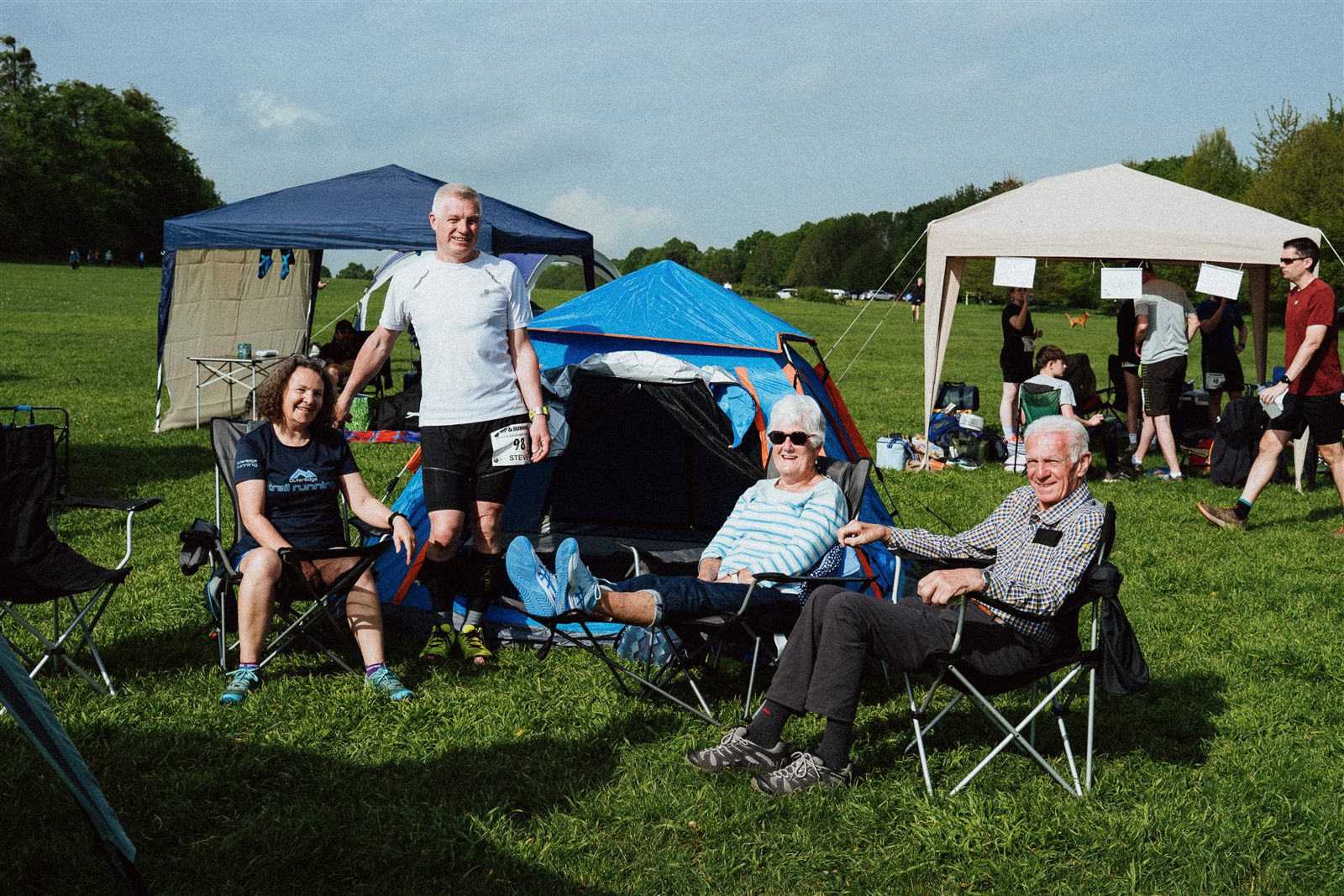
Basecamp atmosphere
Every hour brings runners back to the same place. That rhythm makes the event easy for supporters to follow, and it gives solo runners a welcoming point to reset before the next yard.
Kit and rules
Start each yard on the hour, complete the full loop inside the hour, receive support only at basecamp, and keep going until you cannot or choose not to start again.
The route is beautiful, hilly, and local to Blaise Castle Estate. The event is grassroots, community-led, and built around the atmosphere as much as the result.
Email info@gravelandgritevents.com and we will help.